-BQl_1vaS.png)
What We Learned Building 20+ Decks in the Triangle
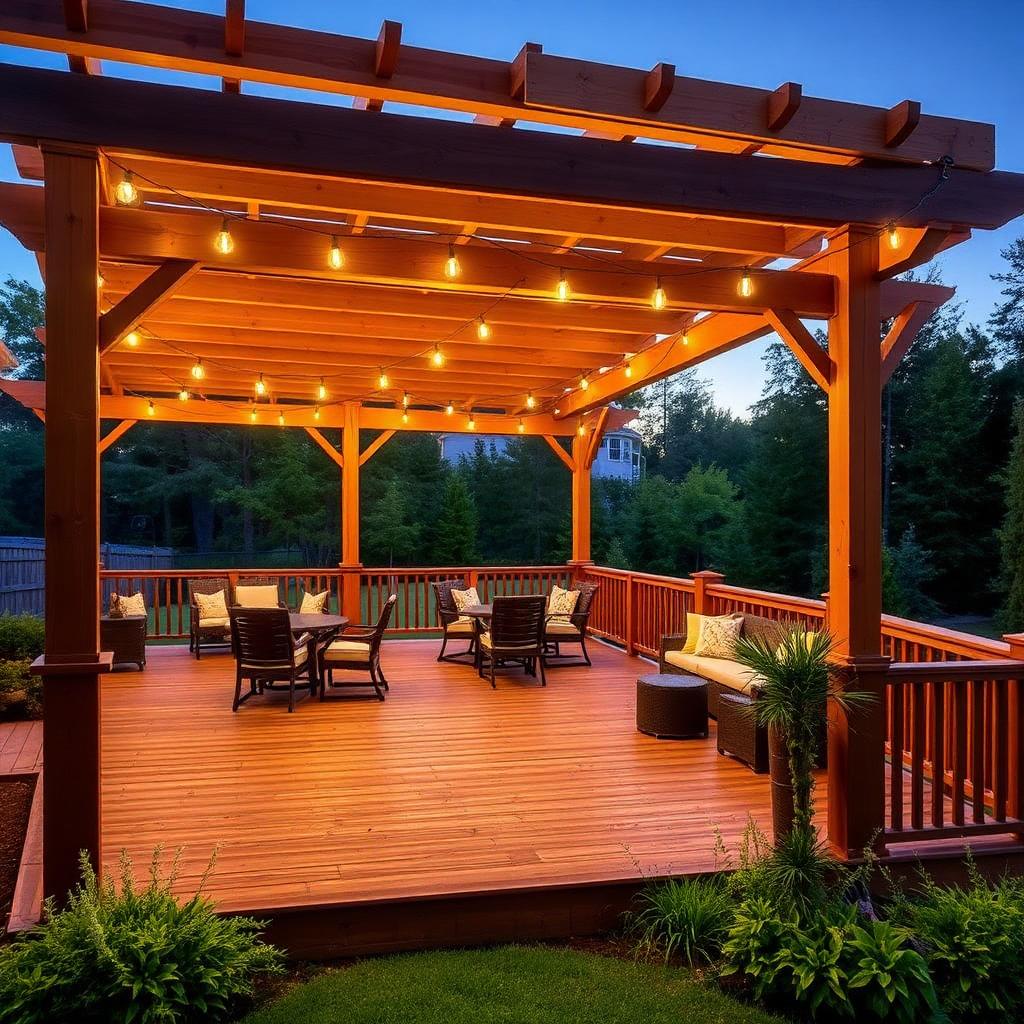
Every deck we build teaches us something new about how this climate treats outdoor structures.
Material reality check
- Cedar looks incredible for the first 2-3 years, then needs maintenance.
- Composite costs more upfront but wins on long-term appearance and low upkeep.
- Pressure-treated pine is fine for structural members that won't be seen.
We now default to composite on the walking surface for most clients, with cedar or composite fascia and rail details for warmth.
Footings and structure
Proper footings below the frost line (even if shallow here) and correct joist spacing prevent the bouncy, sagging decks we see on older homes.
We also slope decks slightly away from the house — 1/8" per foot is enough — so water never pools against the ledger.
Railings and code
North Carolina code is stricter than many homeowners expect. We design railings from the start to meet current requirements instead of fighting it later.
The best decks aren't the biggest — they're the ones that feel like they were always meant to be there, and still look good ten years later.
Related reading
From warm neutrals to hidden workspaces, these are the details showing up in our remodels this year.
Not all pressure washing is the same. Here's how we clean siding, decks, and driveways without causing damage.
A focused, high-impact guest bath update without a full gut — new tile, vanity, fixtures, and finishes.